The world often searches for happiness in fleeting things — success, money, and objects that lose their value over time. But true happiness is found in simple acts of kindness, in moments of empathy that expect nothing in return, and in human connections that turn an ordinary day into something memorable. It has always been there, in the quiet compassion shared between people.
During our honeymoon, my wife became severely ill. She spent days in the bathroom, and I stayed by her side on the cold tile floor. Despite the discomfort, I told her, “I’m on a bathroom floor in Italy with the woman I love. I’ve had worse Tuesdays.” Her laughter, despite the pain, filled the moment. Years later, she still says that the bathroom floor was her favorite part of the trip. Not the luxurious hotel or exquisite food, but the shared vulnerability of being there together. It was a moment that defined our bond.
After our son tragically passed away in a car accident, my husband withdrew into solitude. For weeks, I assumed he was grieving in his own way, but one day, I found him sitting alone in his childhood room, surrounded by pictures of our son. He had been silently punishing himself, unable to speak the guilt that weighed him down. I joined him on the floor, holding his hand, silently acknowledging that we could only move forward together. That quiet moment of grief brought us closer than words ever could.
 10 Manicure and Pedicure Trends That Will Take Over Salons in 2026, According to Nail Techs
In a hospital waiting room, my young son asked for a dollar for the vending machine. Distracted and anxious, I didn’t notice when he returned without a snack. When I asked why, he explained that he had given his dollar to a man who was crying in the hallway, unable to buy his coffee. At a moment when I was consumed with my own fears, my son found the compassion to ease someone else’s pain. His selflessness humbled me in ways I could never have imagined.
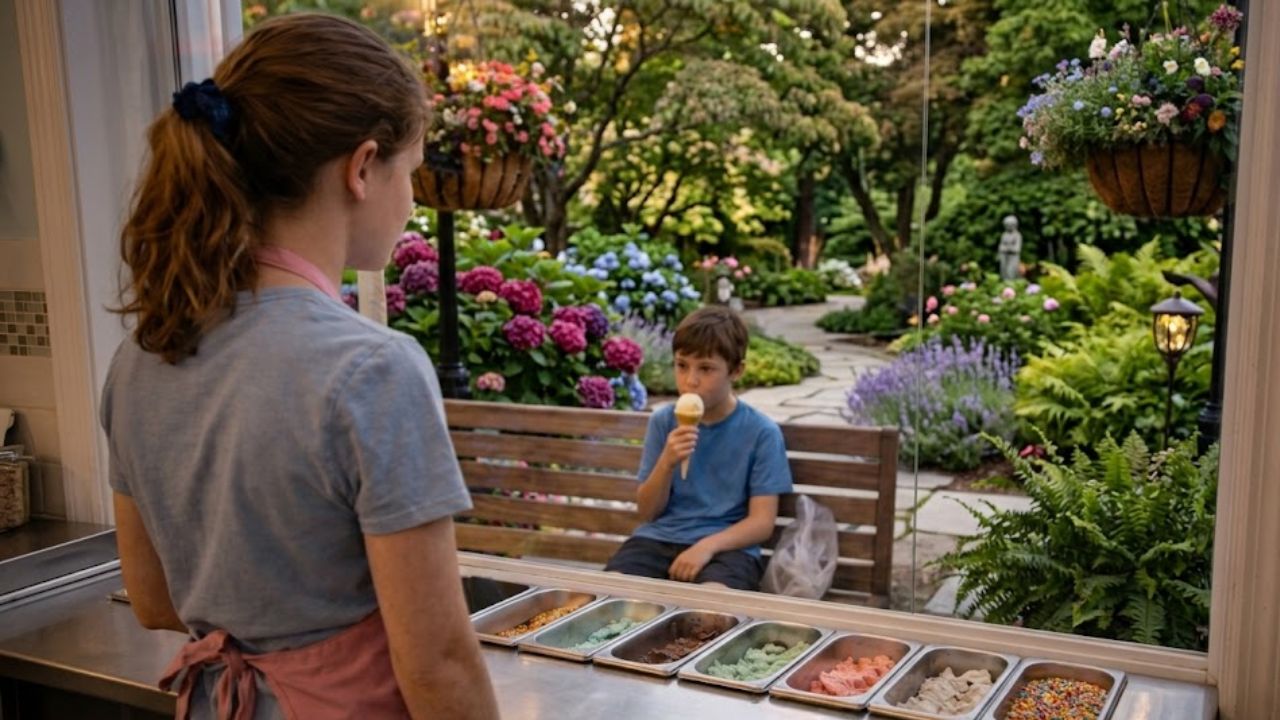
At her ice cream shop, my teenage daughter noticed a young boy who was short by eleven cents for his scoop. Without hesitation, she decided to cover the difference herself, offering him the ice cream without making him feel embarrassed. Her manager didn’t approve, but my daughter stood firm. “If I can make his day a little better, it’s worth it,” she told me later. Even as she worked hard to make ends meet, her heart was open to those in need.
A boy in my class never had his own pencil. Every day, I would lend him one, and every day, it would return sharpened. When I asked why, he explained, “You gave it to me dull, and I wanted to return it better than I got it.” His simple philosophy about returning things in a better condition than when they were given to him stayed with me. Now, I keep a jar of sharpened pencils on my desk to remind myself of the importance of giving more than we receive.
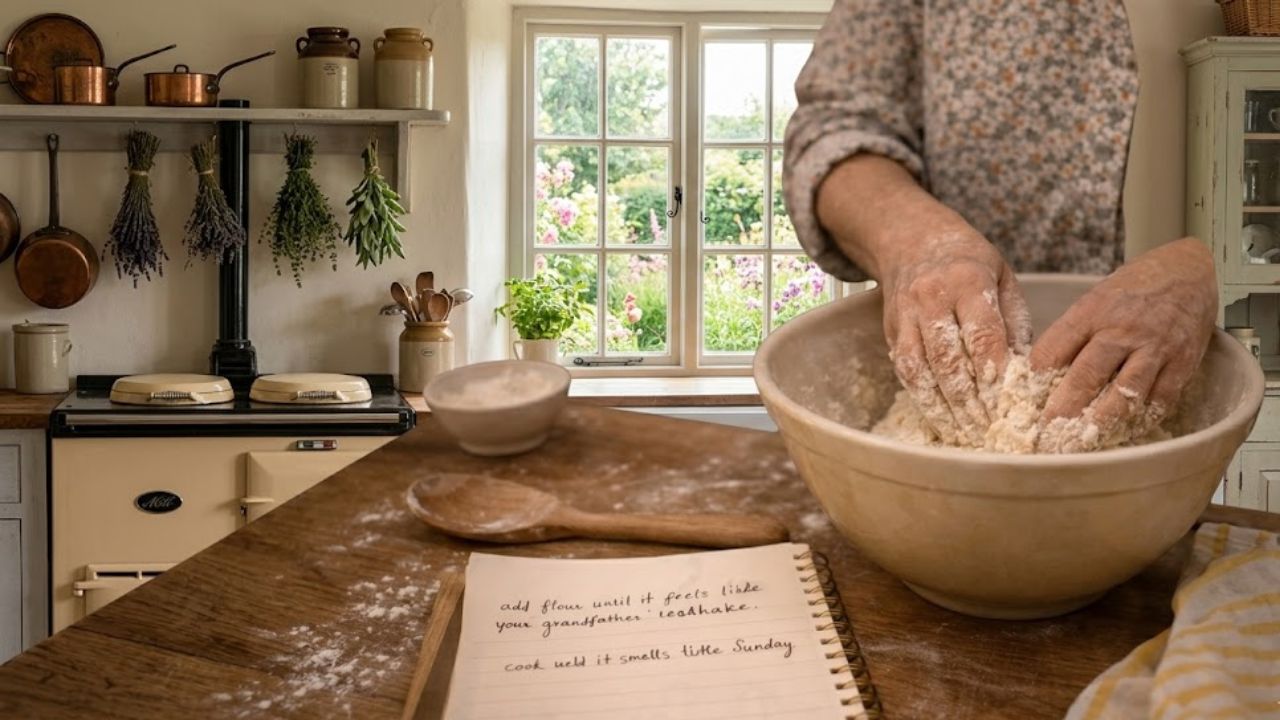
My grandmother never followed recipes. She cooked from memory, guiding me with vague phrases like “Add flour until it feels like your grandfather’s handshake” or “Cook it until it smells like Sunday.” Years after her passing, I followed her instructions for Thanksgiving. The result was a dish that made my mom tear up, recognizing the taste that had been lost for so long. My grandmother left me a cookbook written in feelings, one that can never be measured by numbers.

When I told my father I was getting divorced, I expected disappointment. Instead, he silently stood up, went to the garage, and returned with a box. Inside were letters my mother had written him during their tough times. Reading them, I realized that love isn’t always perfect; it’s about surviving together, through the hard times. My dad handed me his painful memories, not as a lesson, but as proof that it’s possible to keep going even when everything seems broken.
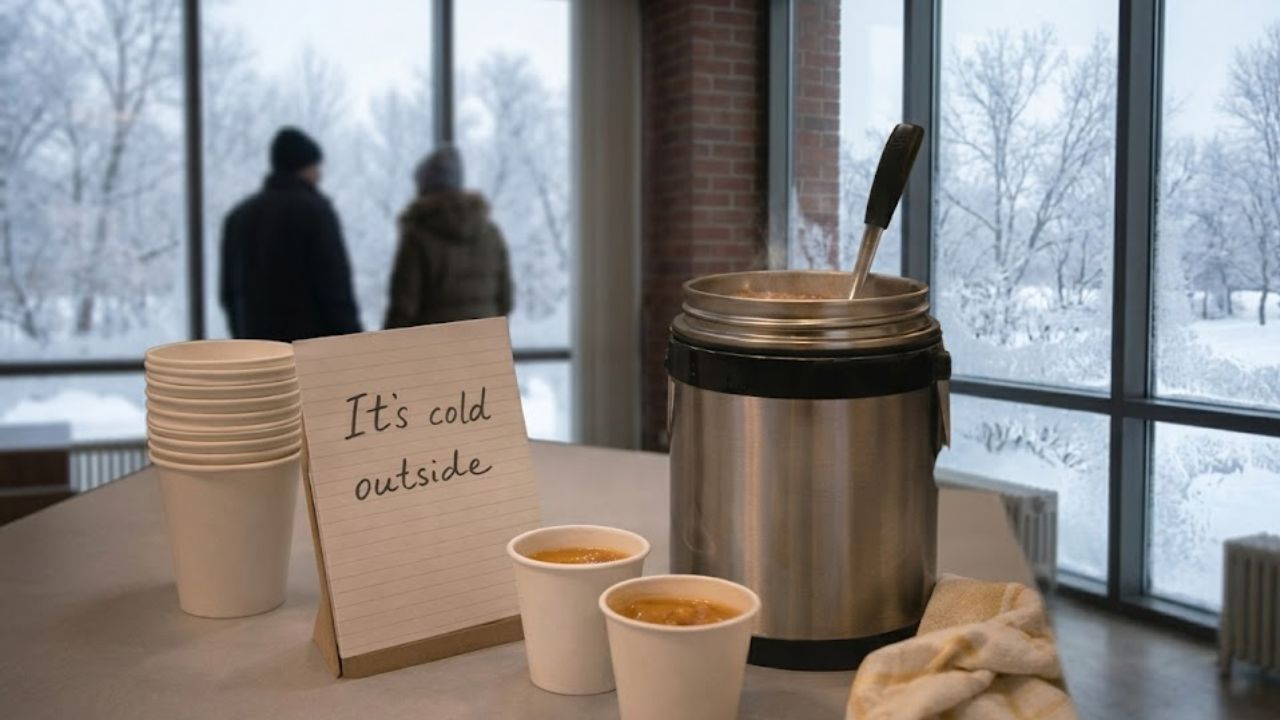
Every Monday, my coworker brings a thermos of homemade soup to share with the office, with a simple note that reads, “It’s cold outside.” No one asked her to do this; it was born from her own loneliness when she first joined the company. Despite her quiet gesture, it became a beloved tradition. She turned her own struggle into warmth for others, creating a place of comfort in an office that once felt cold and isolating.
One day, I found a $20 bill outside a grocery store. A man saw me pick it up and told me it wasn’t mine. I replied that I planned to return it, and he laughed, saying no one would do that. I handed the money to customer service, and two hours later, I was called. The money belonged to an elderly woman who had been crying in the store. She had no way of getting lunch, and my small act of honesty made a world of difference for her. In that brief moment, kindness had more value than any amount of money.
My wife hates surprises, so for our anniversary, I gave her the opposite: a simple, predictable plan. I took her to the place of our first date, ordered the same meal, and reminded her of the moment I told her I loved her. She called it the most boring plan ever, but later admitted it was the most meaningful. In a world of uncertainties, the predictability of love can offer the safest comfort. I gave her the gift of knowing exactly what was coming, and it was everything she needed.